

Hospitality Interior Design for Cafe Business Spaces
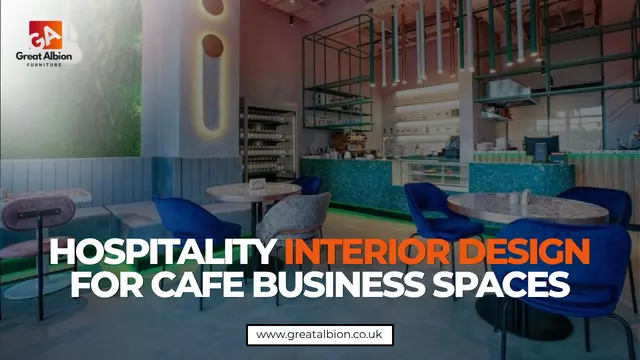
Have you ever walked into a café and instantly wanted to stay longer—not because of the coffee, but because of the atmosphere? This is the power of hospitality interior design. The lighting, furniture, colours, layout, and overall ambiance all work together to create an experience. In today’s competitive UK hospitality industry, great food and beverages alone are no longer enough. Customers expect spaces that are comfortable, memorable, and Instagram-worthy.
For café owners, interior design directly impacts customer perception, dwell time, spending behaviour, and repeat visits. A thoughtfully designed environment can turn a first-time visitor into a loyal customer while helping your business stand out in a crowded market.
In this blog, you’ll learn what hospitality interior design is, why it matters for café business spaces, key design principles, current trends, the hospitality design process, and practical ways to make your café more attractive and profitable.
Key Takeaways
- Hospitality interior design focuses on creating functional and memorable customer experiences.
- Good café design influences customer behaviour and brand perception.
- Space planning, lighting, furniture, and layout are critical elements.
- Custom hospitality furniture can improve both aesthetics and functionality.
- Strategic design decisions can increase customer satisfaction and revenue.
What Is Hospitality Interior Design?
Hospitality interior design is the process of designing spaces within the hospitality industry to enhance guest experiences while supporting operational efficiency. These spaces include cafés, restaurants, hotels, lounges, bars, resorts, and other customer-facing environments.
Unlike residential interior design, hospitality design focuses on balancing aesthetics with functionality, durability, customer flow, and brand identity. Every design decision—from seating arrangements to lighting fixtures—should contribute to a positive guest experience.
For cafés and restaurants, hospitality design is about creating an environment where customers feel comfortable, relaxed, and encouraged to stay longer.
Why Hospitality Interior Design Matters for Cafés
A café’s interior often forms the customer’s first impression long before they taste the food or drinks. The environment influences how people feel, how long they stay, and whether they choose to return.
Successful cafés use hospitality interior design to communicate their brand personality. A modern specialty coffee shop may feature minimalist furniture and industrial finishes, while a boutique café might embrace warm textures, soft lighting, and custom seating.
Design also impacts operational efficiency. Well-planned layouts allow staff to move easily, reduce bottlenecks, and improve customer service. The result is a smoother experience for both customers and employees.
The Essential Elements of Hospitality Interior Design
Every successful hospitality space is built around a combination of design elements that work together to create a cohesive experience.
Space Planning
Space planning is the foundation of any hospitality project. It determines how customers and staff move through the venue and how efficiently the space functions.
Effective hospitality space planning considers:
Design Element
Purpose
Seating layout
Customer comfort
Walkways
Smooth traffic flow
Service stations
Operational efficiency
Waiting areas
Customer convenience
Accessibility
Inclusive design
A well-planned café feels spacious and organized, even when operating within a limited footprint.
Furniture Selection
Furniture plays a major role in hospitality design because it affects both comfort and visual appeal.
Many cafés invest in custom hospitality furniture to maximize space utilization while maintaining a unique brand identity. Custom seating, restaurant tables, banquettes, and lounge furniture allow businesses to create interiors that reflect their concept and customer expectations.
Commercial-grade furniture is particularly important because it must withstand daily use while maintaining its appearance.
Lighting Design
Lighting influences mood, atmosphere, and customer behaviour.
Natural light is highly desirable in cafés because it creates an inviting environment and enhances the perception of space. Artificial lighting should complement the venue’s concept, whether that’s a bright daytime café or an intimate evening dining destination.
Layered lighting often delivers the best results by combining ambient, task, and accent lighting throughout the space.
Colours and Materials
The colours and materials used within a hospitality environment shape how customers perceive the brand.
Warm tones often create a welcoming atmosphere, while darker palettes can communicate luxury and sophistication. Materials such as wood, marble, metal, upholstery fabrics, and textured finishes contribute to the overall design experience.
Successful hospitality interior designers carefully select materials that balance aesthetics, durability, and maintenance requirements.
Popular Hospitality Interior Design Trends for Cafés
Modern café design continues to evolve as customer expectations change.
One of the biggest trends is the use of natural materials and biophilic design. Incorporating plants, wood finishes, and natural light helps create relaxing environments that customers enjoy spending time in.
Flexible seating arrangements are also becoming increasingly popular. Customers now use cafés for meetings, remote work, social gatherings, and casual dining. Providing a variety of seating options accommodates these different needs.
Another growing trend is the integration of custom furniture and statement design features that encourage social media sharing. Unique interiors can become powerful marketing tools by generating user-generated content and increasing online visibility.
The Hospitality Interior Design Process
Understanding the hospitality interior design process helps business owners plan projects more effectively and avoid costly mistakes.
Step 1: Discovery and Consultation
The process begins by understanding the business concept, target audience, budget, and operational requirements.
Step 2: Concept Development
Designers create mood boards, layouts, material palettes, and design concepts that align with the brand identity.
Step 3: Space Planning
Detailed floor plans are developed to optimize customer flow, seating capacity, and operational efficiency.
Step 4: Furniture and Material Selection
Furniture, lighting, finishes, and décor elements are selected based on both aesthetics and performance requirements.
Step 5: Installation and Styling
Once construction and fit-out are complete, furniture and finishing elements are installed to bring the design vision to life.
How to Make a Cafe Interior More Attractive
Creating an attractive café doesn’t always require a complete renovation. Strategic improvements can significantly enhance the customer experience.
Investing in high-quality seating and tables often delivers immediate results because furniture occupies a large portion of the visual environment. Comfortable seating encourages customers to stay longer and increases perceived value.
Good lighting, consistent branding, attractive signage, and thoughtful décor can also transform a space. Many successful cafés create focal points such as feature walls, statement lighting, or custom furniture pieces that help define their identity.
Most importantly, the design should feel authentic to the brand rather than simply following trends.
Choosing the Right Hospitality Interior Design Partner
Working with an experienced hospitality interior design company can help café owners avoid common mistakes and maximize the return on their investment.
The right design partner understands hospitality operations, customer psychology, furniture requirements, and commercial durability standards. They can balance creativity with practical considerations to create spaces that look impressive and perform effectively.
When evaluating designers, review their portfolio, experience within the hospitality industry, and understanding of your specific business goals.
Conclusion
Great hospitality interior design is about much more than aesthetics. It shapes customer experiences, influences purchasing behaviour, supports operational efficiency, and strengthens brand identity.
For cafés and restaurant business spaces, thoughtful design decisions—from layout planning and lighting to custom furniture selection—can have a direct impact on customer satisfaction and long-term profitability. As competition within the hospitality sector continues to grow, investing in well-designed interiors is no longer a luxury; it is a strategic business advantage.
Frequently Asked Questions
What is hospitality interior design in hotels and restaurants?
Hospitality interior design focuses on creating attractive, functional, and customer-centric environments within hotels, restaurants, cafés, and other hospitality venues. It combines aesthetics, comfort, branding, and operational efficiency to enhance guest experiences.
What qualifications are needed for hospitality design?
Most hospitality interior designers hold qualifications in interior design, architecture, or related fields. Professional experience in commercial and hospitality projects is also highly valuable.
How does hospitality interior design process work?
The process typically includes consultation, concept development, space planning, furniture and material selection, and final installation. Each stage is designed to align the interior with the business’s operational and branding objectives.
How to make a cafe interior more attractive?
Improving furniture quality, optimizing lighting, enhancing layout design, incorporating branding elements, and creating visual focal points can make a café more attractive and memorable for customers.