

Guide to Durable Furniture for Restaurants & Cafes
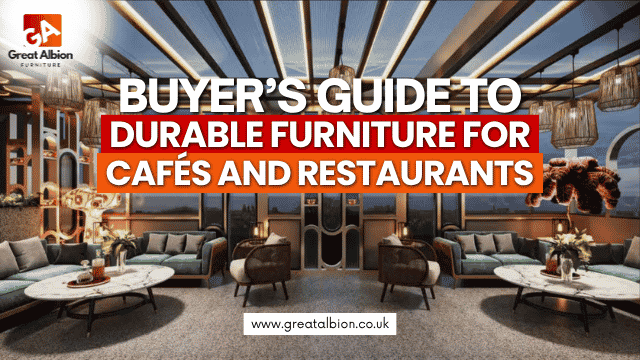
Selecting durable furniture for high-traffic cafés and restaurants is essential for maintaining both operational efficiency and a consistent customer experience. In busy hospitality environments, furniture is exposed to continuous use, frequent cleaning, and varying environmental conditions. Choosing the right materials, fabrics, and finishes ensures longevity while reducing maintenance and replacement costs. This guide explores practical considerations for creating spaces that are both resilient and visually refined.
Key Takeaways
- Durable furniture reduces long-term operational costs
- Strong materials such as hardwood and metal improve lifespan
- The most durable fabrics for furniture support heavy daily use
- Outdoor areas require durable outdoor furniture designed for weather resistance
- Protective finishes and covers extend usability
- Material selection directly affects performance in commercial settings
The Importance of Durable Furniture in Commercial Settings
High customer turnover places constant pressure on seating and surfaces. Over time, inferior materials show signs of wear, affecting both appearance and safety. Investing in durable furniture supports consistency and reduces disruptions caused by repairs or replacements. It also contributes to a professional and well-maintained environment.
Material Selection for Long-Term Performance
Material choice is central to durability. Consideration of what is the most durable furniture material often leads to hardwoods, metals, and engineered surfaces. Teak and other dense woods are widely recognised as the most durable wood for furniture, while metal frames provide structural strength. For outdoor applications, identifying the most durable outdoor furniture material and most durable patio furniture material is essential. Aluminium and teak are commonly used due to their resistance to corrosion and environmental wear. These options are often included among the most durable outdoor furniture choices in commercial use. For further technical insight into materials, read here.
Fabric Choices for High-Traffic Use
Upholstery must withstand repeated use without compromising comfort or appearance. The most durable fabrics for furniture include leather and synthetic performance textiles. These are often used in most durable leather furniture applications due to their resistance to stains and wear. Selecting a durable fabric for furniture ensures long-term usability. Such materials are particularly important in dining environments where spills and frequent cleaning are expected.
Wood Durability and Suitability
Wood remains a widely used material in furniture design, although durability varies depending on the type and treatment. Hardwoods are generally valued for their strength and natural resistance to environmental factors, making them suitable for both indoor and outdoor use. Acacia is often selected as a practical option, offering a balance between affordability and performance when properly maintained. Overall, the longevity of wooden furniture depends on factors such as exposure conditions, finishing, and regular care rather than the material alone.
Eucalyptus is another option, eucalyptus wood for outdoor furniture often associated with its weather resistance. Other materials show more limited performance. For example, mango wood furniture durability is better suited to interiors, while mango wood furniture durability depends on the treatment. Engineered materials raise concerns regarding durability, particularly in high-traffic environments. Softer woods also prompt consideration of pine furniture, which is typically less suitable for heavy use.
Outdoor and Patio Furniture Considerations
Exterior seating requires carefully selected durable outdoor furniture that can withstand changing weather conditions. Businesses often prioritise the most durable garden furniture to ensure long-term reliability. The best durable outdoor furniture typically includes aluminium, teak, or resin-based designs. These materials are widely accepted in commercial settings.
Additional protection can be achieved through the use of protective covers, which help maintain furniture condition during periods of non-use. Coordinated furniture sets are also often chosen to ensure a consistent appearance while supporting long-term durability.
Natural and Synthetic Material Comparisons
Material selection typically requires a balance between visual appeal and long-term performance. Natural materials are often chosen for their appearance, but their durability can vary depending on whether they are used indoors or exposed to outdoor conditions. In many cases, synthetic alternatives provide greater resistance to moisture, wear, and temperature changes, making them more suitable for exterior environments.
Materials such as rattan, bamboo and cane are also used in furniture design, although their longevity depends on proper treatment and controlled conditions. Similarly, woven styles benefit from synthetic construction, which enhances strength and weather resistance compared to natural versions.
Finishes and Surface Protection
Protective finishes play an important role in preserving furniture quality and extending its lifespan. High-performance coatings are often selected for their resistance to wear, frequent cleaning, and surface damage. Durable finishing options typically provide a strong protective layer that helps maintain appearance over time. These types of coatings are widely regarded as reliable solutions for long-term use, while powder coating remains a preferred choice for metal surfaces due to its strength and resistance to corrosion and chipping. Explore our range of durable commercial furniture
Conclusion
Investing in durable furniture ensures long-term performance in high-traffic cafés and restaurants. Careful selection of materials, fabrics, and finishes allows businesses to maintain both functionality and visual consistency. A well-informed approach to durability ultimately supports efficiency, reliability, and customer satisfaction.
In addition, prioritising durability helps reduce ongoing maintenance requirements and minimises the need for frequent replacements, which can disrupt daily operations. Furniture that is designed to withstand intensive use not only retains its structural integrity but also preserves its appearance over time, contributing to a consistently professional environment. This approach enables businesses to manage costs more effectively while ensuring that the overall dining experience remains comfortable and visually appealing for customers.
Frequently Asked Questions
1. What is the best restaurant furniture for modern dining spaces?
Sleek and minimalist restaurant furniture with metal or polished wood finishes works best for modern interiors.
2. How much does business-grade furniture cost on average?
The cost of business-grade furniture varies widely depending on materials, design, and quantity, but bulk purchasing from a reliable restaurant furniture supplier can reduce overall expenses.
3. How do I choose durable dining furniture for heavy use?
Focus on commercial dining furniture made from strong materials like hardwood, metal, or high-grade laminates.
4. What are the best materials for outdoor restaurant furniture?
Aluminum, treated wood, and synthetic rattan are ideal for outdoor restaurant furniture due to their durability.
5. Are custom restaurant furnishings better than ready-made options?
Custom restaurant furnishings allow you to match your brand identity and space perfectly, while ready-made options are quicker and often more budget-friendly.