

Great Albion Furniture supplies restaurant chairs to UK hospitality venues, with 52 models from £20 to £150 per chair in polypropylene, upholstered velvet, leather, solid wood and metal. Every frame is specified for commercial dining rather than domestic use. Filter by material and seat style below, pair them with our restaurant tables, or send your cover count for a trade quote.
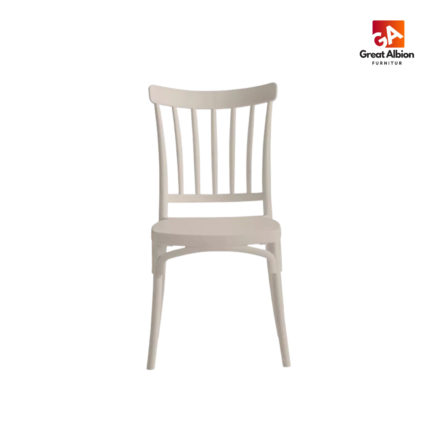
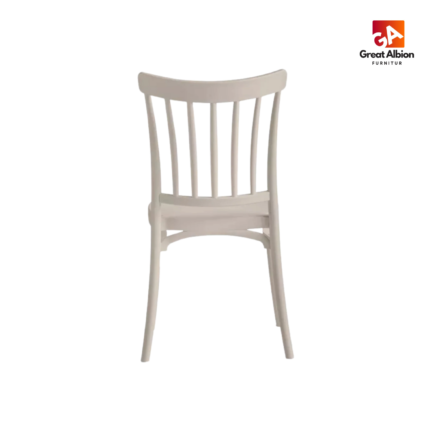


Baron Premium Chair
£28.00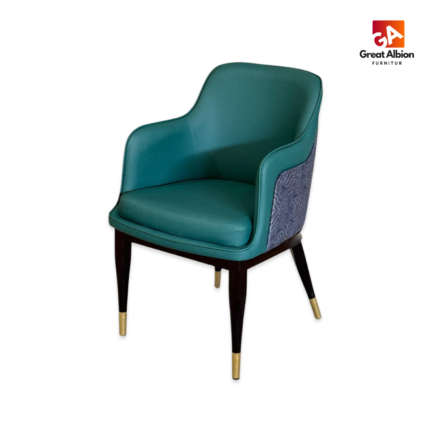
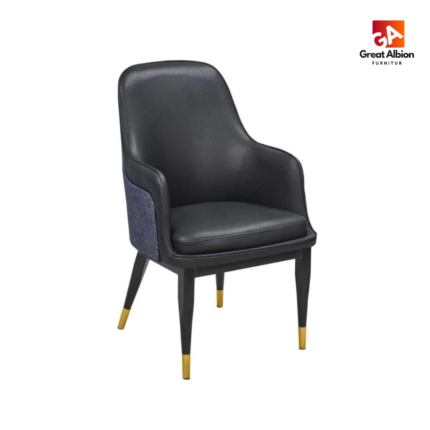


Bliss Green Dining Chair
£84.00
Blue Bistro Caffè Chair
£25.95
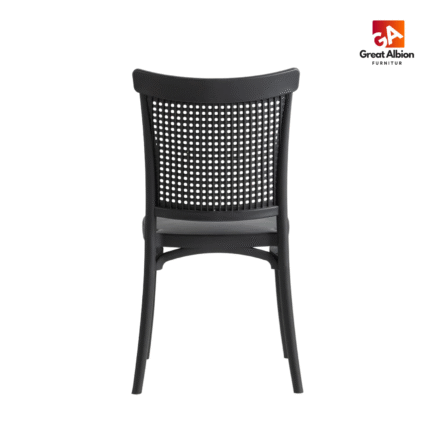
Caffe Lima Stacking Chair
£30.00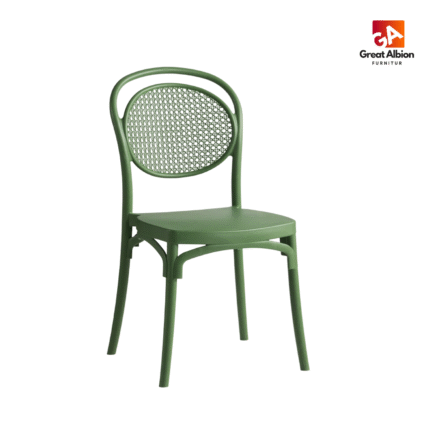
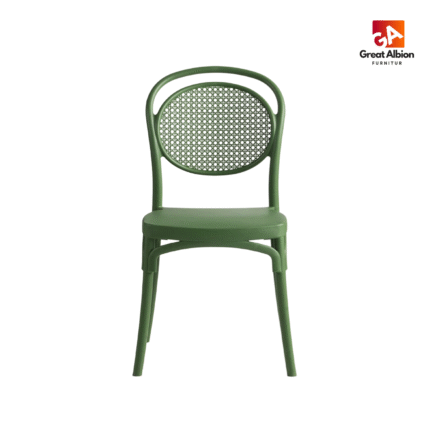
Caffe Sera Dining Chair
£26.00

Chameleon Event Chair
Price range: £44.00 through £48.00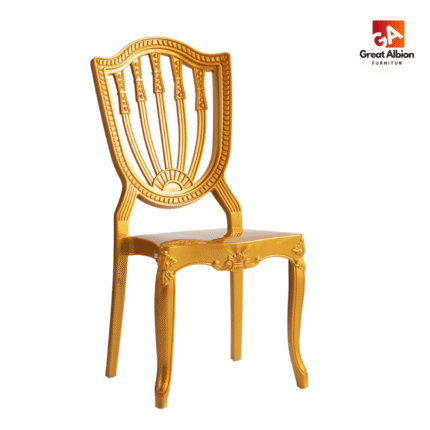
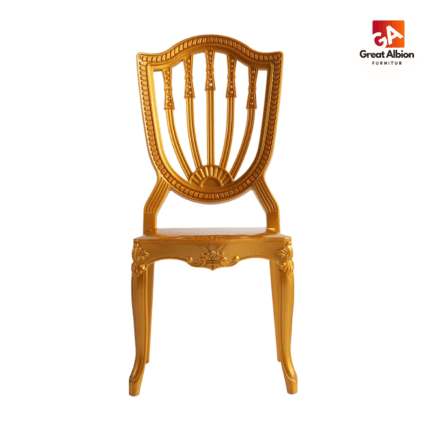
Chiavari Divine Lounge Chair
£38.00

Chiavari Dylan Polypropylene Chair
Price range: £25.00 through £45.00


Chiavari Gala Polypropylene Chair
Price range: £20.00 through £22.00What fails first, and why it decides the budget
Commercial dining chairs rarely fail in the middle. They fail at the joints where the back meets the seat, at the leg caps dragged across hard floors, and on the seat fabric where it takes the most weight. A chair built for a domestic dining room shows all three within a year in a room turning ninety covers a day.
So the decision here is not which chair looks right. It is how long you expect it to survive at your cover count, and what replacing it costs.
Working out the real cost per chair
The arithmetic is worth doing before the aesthetics. Forty polypropylene frames at £24 is £960. Forty upholstered frames at £80 is £3,200. The £2,240 difference only earns its place if the dearer chair lasts more than three times as long in your room, or if it lets you charge more per cover.
In a high-turnover site the cheaper frame usually wins, because damage comes from traffic rather than build quality, and a £24 replacement is a smaller decision than an £80 one. In a fine-dining room the upholstered frame wins, because guests sit in it for ninety minutes and the seating is part of what they are paying for.
Choosing upholstery you can still buy in three years
Fabric is where most venues get caught. A stained seat pad on one chair in a set of forty is the problem, not the frame, and the replacement has to match.
Before committing to a bulk order, ask three things. Whether the fabric has a rub count rated for contract use. Whether the same colourway will still be available in two years for spares. Whether the seat pad can be replaced independently of the frame, or whether damage means a whole new chair. Velvet and patterned fabrics look strongest on day one and date fastest; plain faux leather wipes clean and reorders more reliably.
Materials compared
| Material | From (per chair) | Suits | What to check |
|---|---|---|---|
| Polypropylene | £20 | High-turnover casual dining | Colour range, leg cap type |
| Velvet and fabric upholstered | £26.95 | Mid-range dining rooms | Rub count, colourway availability |
| Metal crossback and aluminium | £55.95 | Bistro and industrial interiors | Floor protectors on tiled floors |
| Upholstered stacking | £60 | Rooms that double as function space | Stack height |
| Solid wood | £69.95 | Traditional pubs and brasseries | Finish touch-up on leg edges |
| Leather and faux leather | £70 | Fine dining, hotel dining rooms | Sun exposure near window lines |
| Tub seating | £100 | Lounge and fine-dining settings | Leg room around a 750mm table |
Prices as listed on 17 September 2026. A common mid-range pick is the leather restaurant dining chair at £80.
Matching restaurant chairs to the room
Fine dining and hotel dining rooms. Leather and tub seating from £70 to £150. Wider seats, longer dwell times, and a look that holds up next to linen and glassware. Check leg room before ordering, because tub frames eat table space.
Casual and fast-casual restaurants. Polypropylene frames from £20 to £47. These take daily wiping, survive being dragged across hard floors, and replace cheaply when one gets damaged. The velvet dining chair with metal legs at £26.95 sits between the two on price.
Traditional pubs and brasseries. Solid wood and metal crossback frames from £55.95 to £70, where the interior calls for a warmer or more industrial finish.
Function rooms inside a restaurant. Stacking frames clear the floor between services. Those live under catering chairs, which covers storage and dressing in detail.
Maintenance that extends the replacement cycle
Replace leg caps every six months, because a worn cap gouges the floor and loosens the joint above it. Tighten frame fixings at the same interval on wooden and metal models. Treat upholstery from new rather than after the first spill.
Prices shown are per chair as listed on 17 September 2026, with fabric and finish options priced per variant. Send your cover count, table heights and target delivery week, and Great Albion Furniture will quote against current stock.
FAQ
What seat height do I need for a 750mm restaurant table?
A 450mm seat height is the standard pairing for a 750mm commercial dining table, leaving roughly 300mm between the seat and the tabletop. Above 460mm feels cramped for guests; below 440mm sits low against the table edge. Counter and poseur tables need stools instead.
Are these restaurant chairs suitable for commercial use?
Every model on this page is specified for hospitality venues rather than domestic dining, which means heavier frames, commercial-grade upholstery and finishes chosen for repeat cleaning. Contract certification and weight ratings vary by model and are listed on each product page.
Should I buy cheaper frames and replace them more often?
In a high-turnover room, usually yes, because damage comes from traffic rather than build quality. In a fine-dining room where guests sit for ninety minutes, the upholstered frame earns its price. Run the arithmetic on your own cover count before deciding.
How many spare chairs should I order?
Order two to three above your cover count, plus spare seat pads from the same batch. Fabric colourways and frame finishes shift between production runs, so a later replacement may not match the room.