

Restaurant Floor Plan Ideas for Small Spaces
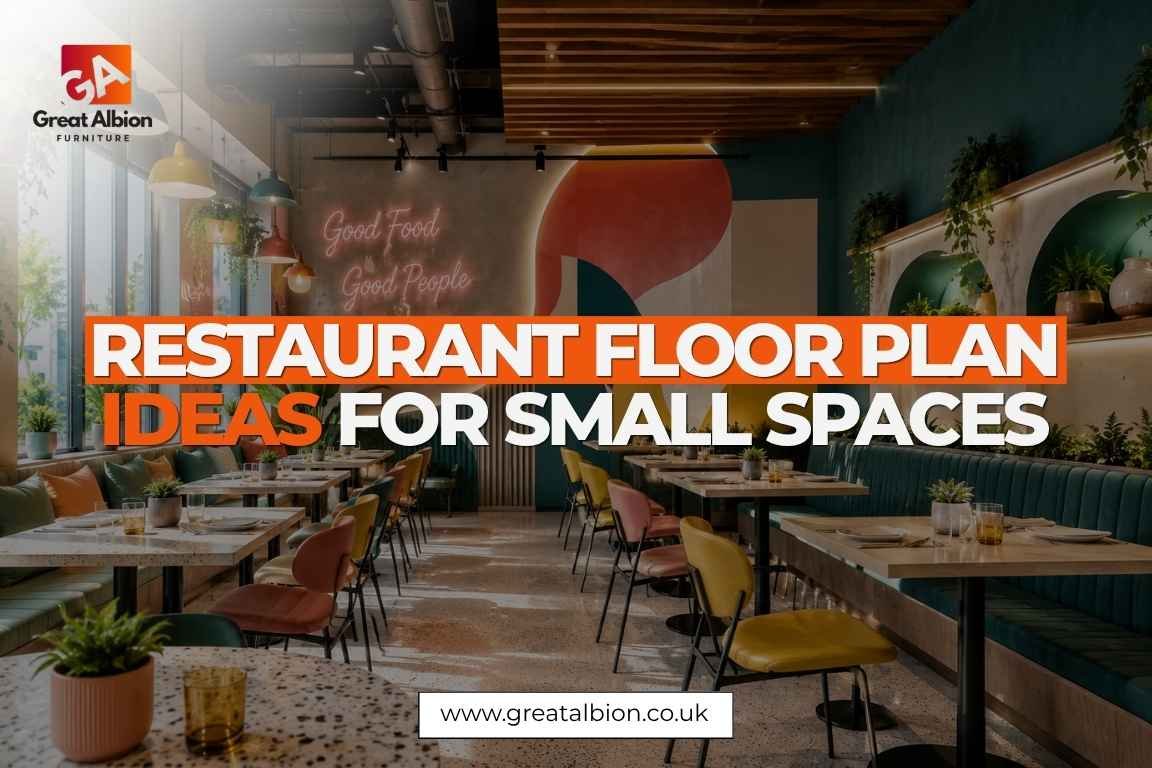
A well-designed restaurant floor plan can make the difference between a thriving restaurant and one that constantly struggles with overcrowding, slow service, and underutilized space. In smaller venues, every square foot matters. The way tables, chairs, walkways, service stations, and waiting areas are arranged directly affects customer satisfaction, staff efficiency, and ultimately, profitability.
Many restaurant owners invest heavily in décor and branding but overlook the importance of strategic layout planning. A thoughtful floor plan can increase seating capacity, improve customer flow, and create a more enjoyable dining experience without expanding the physical footprint of the restaurant.
In this blog, you’ll discover practical restaurant floor plan ideas for small spaces, learn how to optimize layout plans, understand restaurant spacing requirements, and find actionable tips on how to create a restaurant floor plan that supports long-term business growth.
Key Takeaways
- A smart restaurant floor plan improves customer experience and operational efficiency.
- Small restaurants benefit from flexible seating and strategic traffic flow.
- Outdoor and rooftop layouts can significantly increase seating capacity.
- Proper table spacing helps maximize comfort without wasting valuable space.
- Custom restaurant tables can help optimize difficult floor layouts.
Why Your Restaurant Floor Plan Matters
A restaurant floor plan is more than a drawing of tables and chairs. It is the foundation of how customers experience your venue and how efficiently your staff can operate throughout service.
When designing a restaurant, the goal is to balance comfort, capacity, and functionality. An overcrowded dining room may increase seating numbers on paper, but it often results in slower service, reduced customer satisfaction, and fewer repeat visits. On the other hand, a well-planned layout allows customers to move comfortably while enabling staff to serve efficiently.
The most successful restaurants understand that a floor plan is a revenue-generating asset. Every seating arrangement, walkway, and service zone should contribute to a smoother dining experience.
How to Design a Restaurant Floor Plan for Small Spaces
The best small-space layouts begin with understanding how people move through the restaurant.
Customers should be able to enter the venue, find their table, access facilities, and leave comfortably without disrupting other diners. At the same time, staff need clear pathways between the kitchen, service stations, and dining areas.
One of the biggest mistakes restaurant owners make is focusing solely on seating capacity. While maximizing covers is important, creating congestion can negatively affect service quality.
A successful restaurant floor plan prioritizes:
Key Area
Purpose
Customer pathways
Smooth movement throughout the venue
Staff routes
Faster service and reduced bottlenecks
Seating zones
Improved dining experience
Waiting areas
Better customer flow during peak times
Service stations
Operational efficiency
Before purchasing furniture, create several layout plans and evaluate how each one performs during busy service periods.
Simple Restaurant Floor Plan Ideas
A Simple restaurant floor plan focuses on efficiency while maintaining a welcoming atmosphere.
For narrow restaurants, a linear layout often works best. Tables are positioned along the walls while a central aisle allows staff and customers to move freely. This arrangement maximizes seating without creating unnecessary congestion.
Small cafés often benefit from a combination of two-person tables, window seating, and communal tables. This approach accommodates different customer groups while maintaining flexibility throughout the day.
Built-in banquette seating is another effective solution. By utilizing wall space, restaurants can increase seating capacity while preserving valuable floor area.
The key is to create flexibility. Small restaurants frequently experience changing customer volumes, so Contract furniture arrangements should be adaptable whenever possible.
Outdoor Restaurant Floor Plan Ideas
An Outdoor restaurant floor plan can dramatically increase seating capacity while creating an attractive dining experience.
Outdoor spaces have become increasingly valuable for cafés and restaurants looking to accommodate more guests. However, successful outdoor layouts require more than simply placing tables outside.
Pathways should remain clear, seating should feel comfortable rather than crowded, and weather-resistant furniture should be used throughout the space.
Restaurants with patios or garden areas often benefit from dividing outdoor seating into smaller zones. This creates a more intimate atmosphere while making the space feel organized and inviting.
Outdoor layouts should also account for seasonal changes, ensuring the space remains functional throughout the year.
Rooftop Restaurant Floor Plan Ideas
A Rooftop restaurant floor plan presents unique opportunities and challenges.
Unlike traditional dining spaces, rooftop venues often attract customers seeking both food and atmosphere. The layout should therefore maximize views while maintaining operational efficiency.
Many successful rooftop restaurants use a combination of dining tables, lounge seating, and bar areas. This creates multiple seating experiences within the same space.
Service stations should be strategically positioned to minimize walking distances for staff. Because rooftop environments often experience higher wind exposure, furniture selection and table placement should prioritize stability and durability.
When executed correctly, rooftop layouts can significantly increase customer dwell time and average spend.
How to Draw a Restaurant Floor Plan
Drawing a restaurant floor plan doesn’t require advanced design skills, but it does require careful planning. The goal is to create a layout that maximizes seating, supports smooth customer flow, and allows staff to work efficiently.
Step 1: Measure Your Restaurant Space
Start by measuring the entire dining area, including:
- Length and width of the room
- Entrances and exits
- Windows and pillars
- Restrooms
- Kitchen and service areas
Accurate measurements are essential for creating realistic layout plans and avoiding costly mistakes later.
Step 2: Mark Fixed Elements
Next, identify features that cannot be moved, such as:
- Kitchen
- Bar area
- Restrooms
- Storage rooms
- Emergency exits
- Structural columns
These fixed elements will determine how much space is available for customer seating.
Step 3: Define Customer and Staff Pathways
Before placing tables, map out how people will move through the restaurant.
Create clear routes between:
- Entrance and dining area
- Dining area and restrooms
- Kitchen and tables
- Service stations and seating areas
A good restaurant floor plan minimizes bottlenecks and allows staff to serve guests efficiently.
Step 4: Choose Your Seating Style
Select seating based on your restaurant concept and target audience.
Common options include:
Seating Type
Best For
Two-person tables
Cafés and coffee shops
Booth seating
Family restaurants
Communal tables
Casual dining spaces
Banquette seating
Small restaurants
Outdoor dining sets
Patios and terraces
The right table plans should balance comfort with seating capacity.
Step 5: Position Tables and Chairs
Now arrange your tables while maintaining proper spacing.
As a general guideline:
Area
Recommended Space
Between tables
18–24 inches
Main walkways
36–48 inches
Service aisles
42–60 inches
Avoid overcrowding. Customers value comfort just as much as aesthetics.
Step 6: Add Service Stations
Place service stations strategically to reduce staff walking distance.
Consider including:
- POS terminals
- Beverage stations
- Cutlery stations
- Cleaning stations
Well-positioned service areas improve efficiency during busy service periods.
Step 7: Review Building Regulations
Before finalizing your design, ensure it complies with local building regulations for restaurants.
Check requirements related to:
- Accessibility
- Fire exits
- Occupancy limits
- Emergency routes
- Minimum aisle widths
Compliance should always be incorporated into the design stage rather than addressed later.
Step 8: Test and Refine the Layout
Walk through the floor plan from both a customer and staff perspective.
Ask yourself:
- Can servers move easily between tables?
- Is there enough space for guests to pull out chairs?
- Are busy areas likely to create congestion?
- Can the layout accommodate peak-hour traffic?
Most successful restaurants revise their restaurant floor plan several times before finalizing it.
Step 9: Use a Restaurant Layout Planner
A professional layout planner can help visualize different configurations before purchasing furniture or beginning renovations.
Digital planning tools allow you to:
- Experiment with seating arrangements
- Calculate capacity
- Test customer flow
- Optimize space utilization
This step can save significant time and money while helping you create a more profitable restaurant layout.
Building Regulations for Restaurants
Before finalizing any restaurant floor plan, it is essential to review local building regulations for restaurants.
Regulations often cover accessibility requirements, fire safety measures, emergency exits, occupancy limits, and minimum aisle widths.
Failure to comply can result in costly modifications, delays, or operational restrictions. Restaurant owners should consult local authorities or qualified professionals during the planning phase to ensure compliance from the outset.
Restaurant Table Spacing Recommendations
Table spacing directly impacts both customer comfort and service quality.
Area
Recommended Spacing
Between tables
18–24 inches
Main customer aisles
36–48 inches
Service pathways
42–60 inches
Accessible routes
According to local regulations
These guidelines help create a comfortable dining environment while allowing staff to move efficiently throughout the restaurant.
The Role of Furniture in Restaurant Layout Planning
Perfect Furniture selection plays a major role in the success of any restaurant floor plan.
Custom restaurant bistro tables can help maximize difficult layouts, particularly in smaller spaces where standard furniture sizes may not fit efficiently. Round tables often improve traffic flow, while rectangular tables provide flexibility for larger groups.
Restaurants that invest in custom furniture solutions frequently gain better control over seating arrangements, customer comfort, and overall space utilization.
Conclusion
A successful restaurant floor plan is about far more than deciding where tables should go. It directly influences customer satisfaction, staff productivity, and revenue potential.
Whether you’re developing a simple restaurant floor plan, planning an outdoor restaurant floor plan, or designing a premium rooftop restaurant floor plan, thoughtful layout planning can transform even the smallest space into a highly functional and profitable dining environment.
By focusing on customer flow, efficient seating arrangements, proper spacing, and high-quality furniture, restaurant owners can create spaces that not only look great but also perform exceptionally well.
Frequently Asked Questions
1. How much space do you need per customer in a restaurant?
Most restaurants allocate between 15 and 20 square feet per customer. Fine dining venues typically require more space, while cafés and casual dining establishments can operate effectively with slightly less.
2. What is the standard restaurant table spacing?
The standard spacing between restaurant tables is generally 18 to 24 inches. Main walkways should provide at least 36 to 48 inches of clearance to ensure comfortable movement for guests and staff.
3. How does seating arrangement affect customer flow?
Seating arrangements determine how easily customers and staff can move through the restaurant. A well-designed layout reduces congestion, improves service speed, and enhances the overall dining experience.
4. What is the ideal seating for a coffee shop?
Most coffee shops benefit from a mix of two-person tables, communal seating, window seating, and comfortable lounge areas. This combination accommodates different customer preferences while maximizing seating flexibility.
5. How can a layout planner improve restaurant design?
A professional layout planner helps restaurant owners visualize different configurations, optimize traffic flow, test seating capacities, and identify potential operational issues before implementation.