

Small Cafe Design Ideas for Modern Coffee Shops
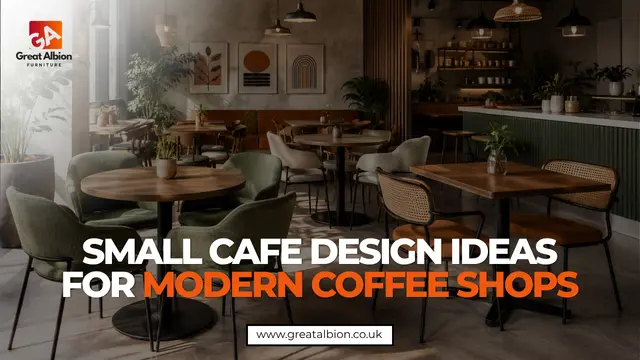
Have you ever walked into a tiny coffee shop that somehow felt spacious, inviting, and effortlessly stylish? The secret usually isn’t the size of the space—it’s the design. A well-executed small cafe design can transform even the most compact premises into a thriving destination where customers want to relax, work, socialise, and return again.
With high commercial rents and limited retail footprints across cities like London, Manchester, Birmingham, and Edinburgh, many café owners are working with smaller spaces than ever before. The challenge is creating a café that feels comfortable and functional without sacrificing seating capacity or visual appeal. The good news is that thoughtful planning, smart furniture choices, and creative design solutions can make a small café feel significantly larger than it actually is.
In this blog, you’ll discover practical small cafe design ideas, learn how to create an efficient cafe floor plan, explore low-budget design solutions, and understand how modern coffee shops maximise both customer experience and profitability within limited square footage.
Key Takeaways
- A successful small cafe design focuses on layout, functionality, and customer flow.
- Strategic furniture selection can increase seating without overcrowding.
- Natural light, clever storage, and multi-functional furniture help maximise space.
- A well-planned cafe layout improves both customer experience and staff efficiency.
- Modern coffee shops often use custom furniture to optimise challenging floor plans.
Why Small Cafe Design Matters
A great small cafe design isn’t about squeezing as many tables as possible into a room. It’s about creating an environment that feels comfortable, welcoming, and easy to navigate.
Customers judge a café within seconds of entering. If the space feels cluttered, cramped, or difficult to move around in, it can negatively affect their experience before they even place an order. On the other hand, a thoughtfully designed café can feel spacious, organised, and inviting regardless of its actual size.
For café owners, design also impacts operational efficiency. A better layout reduces bottlenecks, improves service speed, and allows staff to move comfortably during busy periods.
Start with a Smart Cafe Floor Plan
The foundation of every successful small coffee shop design is an effective cafe floor plan.
Before choosing Cafe or Restaurant furniture, colours, or décor, it is essential to understand how customers and staff will move through the space. The best layouts create clear pathways between the entrance, ordering counter, seating areas, collection points, and exits.
In many UK cafés, particularly high street locations, space is often narrow and elongated. In these situations, placing seating along walls while maintaining a central walkway can improve traffic flow and make the space feel less congested.
A good cafe layout should balance three priorities:
Priority
Purpose
Customer comfort
Creates a pleasant experience
Seating capacity
Maximises revenue potential
Staff efficiency
Improves service speed
When these three elements work together, even the smallest café can operate smoothly.
Creative Small Cafe Design Ideas That Maximise Space
One of the most effective approaches to creative small cafe design is making every square foot serve multiple purposes.
Built-in banquette seating is particularly popular in modern cafés because it eliminates wasted space around chair backs and walkways. Window seating can also transform underutilised areas into valuable customer seating.
Many successful coffee shops use a mix of seating styles rather than relying on identical tables throughout the venue. Combining communal tables, window bars, two-person tables, and lounge seating creates variety while improving flexibility.
Mirrors are another simple but effective design tool. They reflect light, create depth, and make compact interiors feel significantly larger.
The goal isn’t simply to add more furniture—it’s to use space more intelligently.
Low Budget Small Cafe Interior Design Ideas
Creating an attractive café doesn’t always require a large budget. In fact, many successful independent coffee shops achieve distinctive interiors through creativity rather than expensive renovations.
A low budget small cafe interior design project should focus on improvements that deliver maximum visual impact.
Fresh paint, upgraded lighting, quality Contract furniture, and thoughtful branding can dramatically change how a café feels. Introducing greenery through indoor plants is another affordable way to make a space feel more welcoming and contemporary.
Feature walls have become increasingly popular because they create visual interest without requiring significant investment. Whether through artwork, branded graphics, textured finishes, or shelving displays, they can help establish a memorable identity.
For many start-up cafés, investing in high-quality commercial furniture often delivers a better return than spending heavily on decorative elements.
Modern Small Coffee Shop Design Trends
Today’s customers expect more from a café than simply coffee and seating. The environment itself has become part of the product.
A modern small coffee shop design often incorporates natural materials such as timber, stone, metal, and upholstery fabrics to create warmth and authenticity. Large windows, open shelving, and minimalist décor remain popular because they help compact spaces feel open and airy.
Another major trend is flexibility. Customers now use cafés for remote work, meetings, social gatherings, and casual dining. As a result, many modern coffee shops include a combination of dining tables, laptop-friendly workspaces, and relaxed seating zones.
Design trends may change, but customer comfort and functionality remain timeless priorities.
Small Cafe Kitchen Design Considerations
A well-planned small cafe kitchen design can significantly improve operational efficiency.
In compact cafés, the kitchen often occupies a substantial percentage of the available space. Every workstation should be positioned to minimise unnecessary movement while allowing staff to prepare orders quickly and safely.
Many successful small cafés adopt a linear workflow that follows the order preparation process from storage to preparation, service, and cleaning. This reduces congestion and helps staff work more efficiently during busy periods.
Storage is particularly important. Vertical shelving, integrated cabinetry, and under-counter storage solutions can maximise capacity without increasing the kitchen footprint.
How Furniture Impacts Small Cafe Design
Furniture is one of the most important elements of any cafe interior because it influences both appearance and functionality.
Standard furniture dimensions don’t always work well in compact spaces. This is why many café owners choose custom tables, banquette seating, and bespoke furniture solutions designed specifically for their floor plan.
Round tables can improve movement in tighter spaces, while banquette seating often allows more customers to be accommodated comfortably along walls.
Commercial furniture should also be selected for durability, particularly in busy hospitality environments where daily wear and tear is inevitable.
The right furniture helps maximise seating capacity without creating a crowded atmosphere.
How to Increase Seating Without Overcrowding
One of the biggest challenges in small cafe design is increasing seating while maintaining customer comfort.
The solution isn’t simply adding more tables. Instead, it involves optimising the available layout.
Built-in seating, smaller table footprints, shared tables, and carefully planned circulation routes can all increase capacity without making the space feel cramped.
Many successful cafés also utilise outdoor seating where possible. Pavement cafés, courtyard seating, and covered outdoor areas can significantly expand capacity while enhancing the customer experience.
The key is ensuring every seat feels intentional rather than forced.
Cafe Interior Design Ideas That Improve Customer Experience
The most successful cafe interior design ideas focus on how customers feel within the space.
Comfortable seating, good lighting, appealing acoustics, and clear wayfinding all contribute to a positive experience. Customers are more likely to stay longer, spend more, and return frequently when a café feels comfortable and inviting.
Details matter. From power outlets for laptop users to comfortable seating arrangements and intuitive layouts, small design decisions often have a significant impact on customer satisfaction.
Great café design should feel effortless, even when extensive planning has gone into achieving that result.
Conclusion
A successful small cafe design is not determined by square footage but by how effectively the space is used. Through thoughtful planning, smart furniture choices, efficient cafe layouts, and customer-focused design decisions, even the smallest coffee shop can create a memorable and profitable environment.
Whether you’re planning a new café, renovating an existing venue, or looking for low budget creative small cafe design ideas, prioritising customer comfort and operational efficiency will always deliver long-term benefits. The best cafés prove that small spaces can create some of the biggest impressions.
Frequently Asked Questions
What is the minimum size for a cafe?
There is no fixed minimum size for a café in the UK, but many successful small cafés operate within 500–1,000 square feet. The ideal size depends on seating capacity, kitchen requirements, and local regulations.
How does cafe layout affect customer flow?
A well-designed cafe layout improves movement throughout the space, reducing congestion and allowing customers to order, collect food, find seating, and leave comfortably. Poor layouts often create bottlenecks and negatively affect customer experience.
How do you improve customer flow in a cafe?
Improving customer flow starts with creating clear pathways, positioning service counters strategically, and avoiding obstacles in key circulation areas. Effective furniture placement also plays a major role.
How do you design a cafe floor plan UK?
A UK café floor plan should prioritise accessibility, customer comfort, operational efficiency, and compliance with local building regulations. Begin by mapping customer movement before determining seating arrangements and service areas.
How do you increase seating without overcrowding?
Built-in seating, custom furniture, efficient table arrangements, and outdoor seating solutions can increase capacity without making the café feel cramped. The goal is to maximise usable space while maintaining customer comfort.